

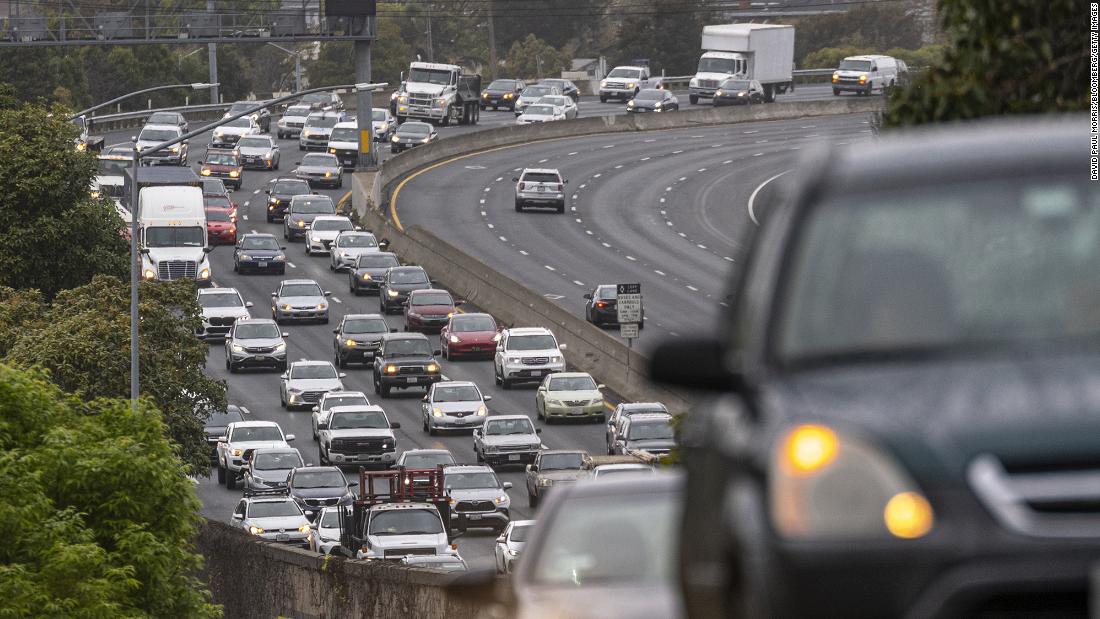
Why US gas prices are at a record and why they’ll stay high for a long time
Numerous factors are combining to push gas prices up to a record. Gas hit $4.25 for a gallon of regular gas, according to AAA’s survey Wednesday.
Gas prices were already expected to breach the $4 a gallon mark for the first time since 2008, with or without shots fired or economic sanctions imposed in Eastern Europe.
Now, because so many factors are at play simultaneously, drivers should prepare to pay uncomfortably high gas prices through at least Labor Day. Prices could easily reach $4.50 a gallon before they start to retreat, and even a $5 per gallon national average is not out of the question.
Russia’s invasion of Ukraine
Very little of that went to the United States. Europe got 60% of the oil and 20% went to China in 2021. But oil is priced on global commodity markets, so the loss of Russian oil affects oil prices around the globe, no matter where it is used.
This has resulted in a de facto ban on Russian oil in global markets, with investors pricing crude as if the country’s supply isn’t available.
While oil prices moved somewhat higher on the US and UK moves, a European ban could drive global prices up further due to concerns the restriction will stay in place indefinitely, even once the fighting in Ukraine stops. Oil is generally traded as futures pegged to delivery.
The price of a barrel of Brent crude, the closely watched benchmark used in Europe, closed Monday at $123.21, up 27% since the start of fighting just 12 days ago. West Texas Intermediary oil, the US benchmark,closed at $119.40 a barrel Monday, up 30% over the same timeframe.
Less oil and gasoline from other sources
“The Biden administration is suddenly interested in more drilling, not less,” said Robert McNally, president of consulting firm Rapidan Energy Group. “People are more worried about high oil prices than anything else.”
“They can’t find people, and can’t find equipment,” McNally added. “It’s not like they’re available at a premium price. They’re just not available.”
Oil stocks have generally lagged the broader market over the last two years, at least until the recent run-up in prices. Oil company executives wanted to redirect cash to buying back stock and other ways to help their share price rather than increase production.
“Oil and gas companies do not want to drill more,” said Pavel Molchanov, an analyst at Raymond James. “They are under pressure from the financial community to pay more dividends, to do more share buybacks instead of the proverbial ‘drill baby drill,’ which is the way they would have done things 10 years ago. Corporate strategy has fundamentally changed.”
Not only is oil production lagging behind pre-pandemic levels, there’s also less US refining capacity. Today, about 1 million fewer barrels of oil a day are available to be broken into gasoline, diesel, jet fuel and other petroleum-based products.
State and federal environmental rules are prompting some refineries to switch from oil to lower carbon renewable fuels. And some companies are closing older refineries rather than invest the money it would cost to retool to keep them operating, especially with massive new refineries set to open overseas in Asia, the Middle East and Africa in 2023.
Strong demand for gasoline
“Jobs numbers have been pretty impressive and a lot of [workers] will be driving to work somewhere,” said Tom Kloza, global head of energy analysis for the Oil Price Information Service. “There’s also going to be more people not working remotely than there were last year or even last month. I don’t know how to put a number on that, but that is certain to add to demand.”
The end of the Omicron surge and the removal of many Covid restrictions is encouraging people to get out of the house and travel more as well. US trips in passenger vehicles have increased 25% since the beginning of this year, according to the mobility research firm Inrix.
There may not be quite as much commuting as before the pandemic. Many who plan to return to the office will be there only three or four days a week, rather than five. The total number of jobs is still slightly below 2019 levels.
But there will be periods, most likely this summer, where there will be more demand for gas than during comparable periods before the pandemic, Kloza predicts.
Tight supplies and strong demand were likely to push prices above $4 even without the current disruption caused by the war.
“Even before Ukraine, I was expecting to break the record,” Kloza said. “Now it’s a question of how much we break the record by.”
— CNN’s Gregory Wallace contributed to this report