

HIPAA and what it means for Trump, his doctor and the public
Health providers, including doctors and hospitals, as well as health insurers, including private plans, Medicare and Medicaid, are all subject to the privacy rule.
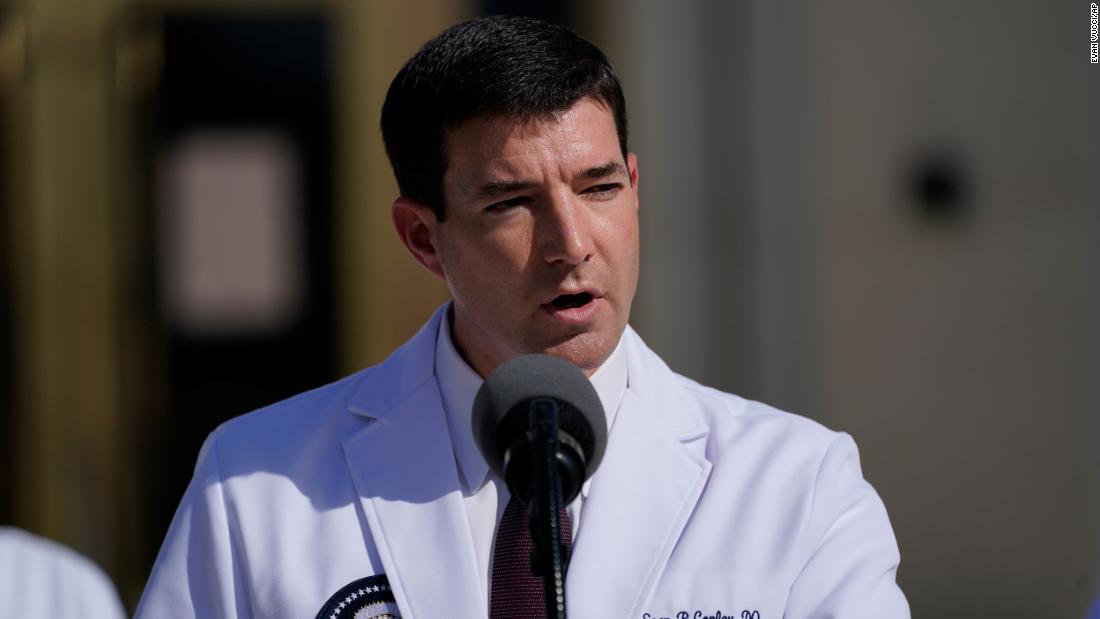
However, several health privacy and ethics experts CNN consulted questioned whether Conley is bound by HIPAA rules, which apply only to providers who accept health insurance. Conley heads the White House Medical Unit, which provides care to the President.
Regardless, it doesn’t mean he’s at liberty to share all the details of Trump’s condition, experts said.
“Whether or not this doctor is covered, he does have an ethical duty to protect the patient’s confidentiality, whether that patient is the President or a man in the street,” said Joy Pritts, a lawyer specializing in health information privacy and a former chief privacy officer at the Department of Health and Human Services in the Obama administration.
Like other patients, Trump can authorize his providers to share all or only part of his medical records, said Adam Greene, a partner at Davis Wright Tremaine and a former career attorney at HHS.


“The authorization has to identify the protected health information that may be disclosed,” said Greene.
And clearly the President did allow Conley and other doctors to share that he had a high fever, was given supplemental oxygen and received a variety of medical treatments, including an experimental antibody cocktail and a five-day course of remdesivir, an anti-viral drug, among other details.
But Trump is under no obligation to release his medical records, said Arthur Caplan, founding director of the division of medical ethics at the New York University Grossman School of Medicine.
“The release of the president’s health information is similar to the release of the president’s tax information. It has been traditionally done as a matter of being transparent with the American public,” said Pritts, noting that other presidents have hidden medical issues from the nation.